

Now Reading: The Perfect Neighbor Review: The Chilling Bodycam Footage & True Story
-
01
The Perfect Neighbor Review: The Chilling Bodycam Footage & True Story
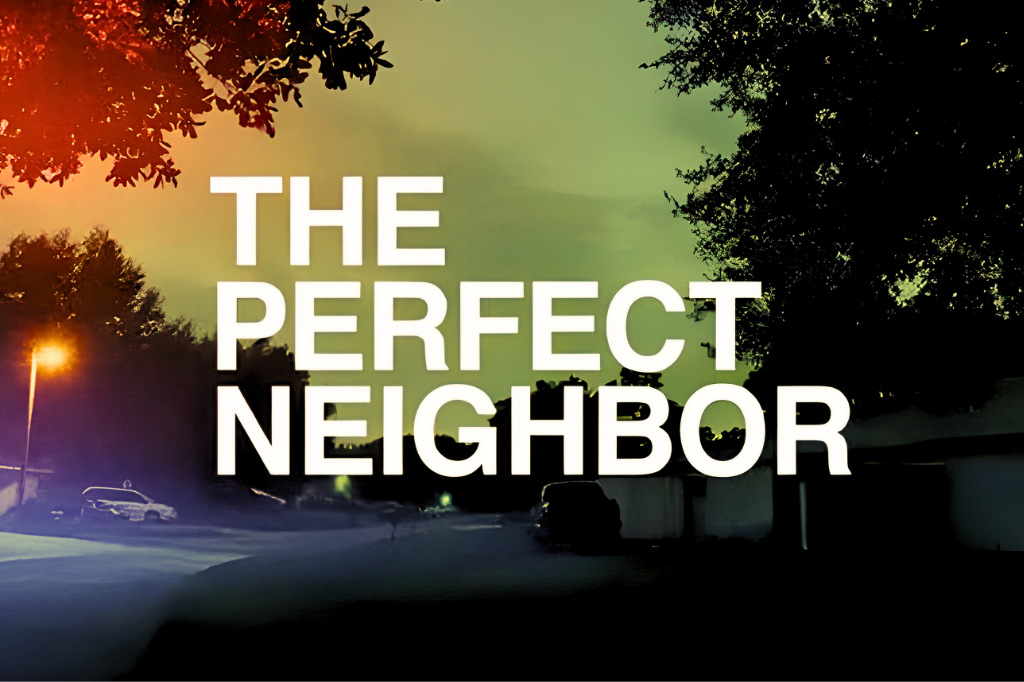
The Perfect Neighbor Review: The Chilling Bodycam Footage & True Story

Netflix’s The Perfect Neighbor is not the kind of true-crime documentary that relies on talking heads or suspenseful background music. Instead, it lets the horror unfold in real time — through police body-cam footage, 911 calls, and the haunting silence that follows a fatal gunshot. Directed by Emmy-winner Geeta Gandbhir, this 2025 Sundance-winning documentary reconstructs the killing of Ajike “AJ” Owens, a Black mother of four from Ocala, Florida, by her white neighbor Susan Lorincz.
Table of Contents
Right from its premiere, the film has earned widespread attention — both for its stark storytelling and for how deeply it cuts into America’s racial and legal psyche. In this The Perfect Neighbor Review, we explore why this isn’t just another true-crime documentary, but one of Netflix’s most powerful releases of 2025.
A Story Told Through Real Footage, Not Retelling
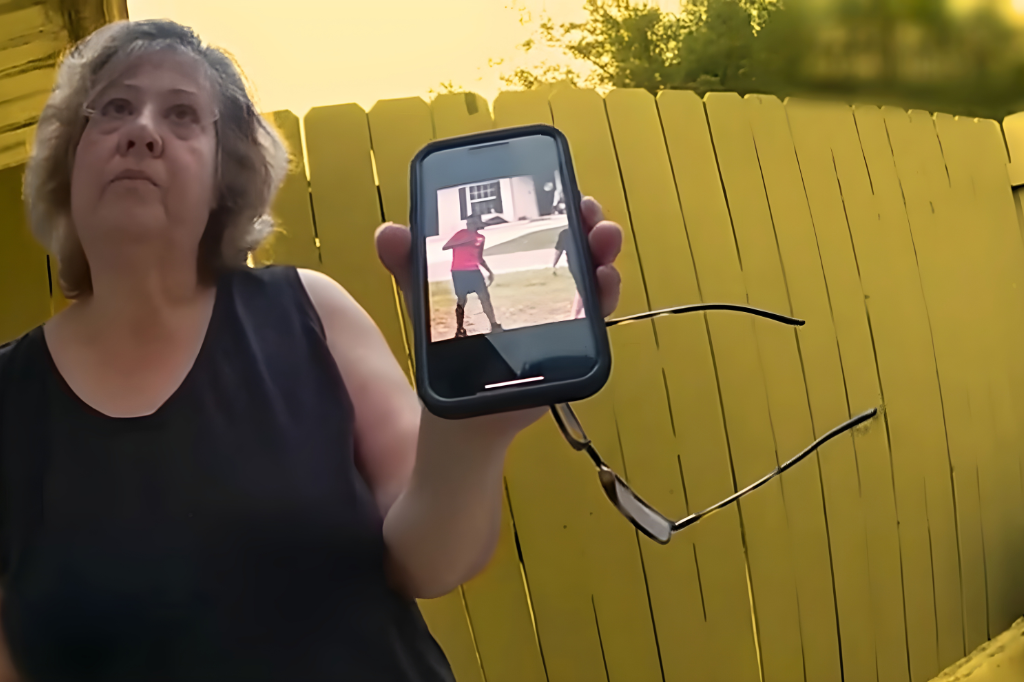
Most documentaries interpret events; The Perfect Neighbor simply shows them. Gandbhir’s creative decision to rely solely on body-cam video and 911 recordings strips away any buffer between the audience and the truth. We aren’t guided by narrators or experts — we witness raw, unfiltered human behavior in moments of confrontation and aftermath.
The footage captures Lorincz’s repeated harassment of Owens and her children, her admission to using racial slurs, and ultimately, the confrontation that ended in tragedy — Owens shot dead through a locked door. It’s a scene that stays with you long after the credits roll.
Unlike most true-crime titles that dramatize their subjects, this documentary resists manipulation. The restraint is what makes it chilling. Every frame reminds us that this is real life, not a reenactment, and that the line between fear and hatred is frighteningly thin.
The Real Story Behind “The Perfect Neighbor”
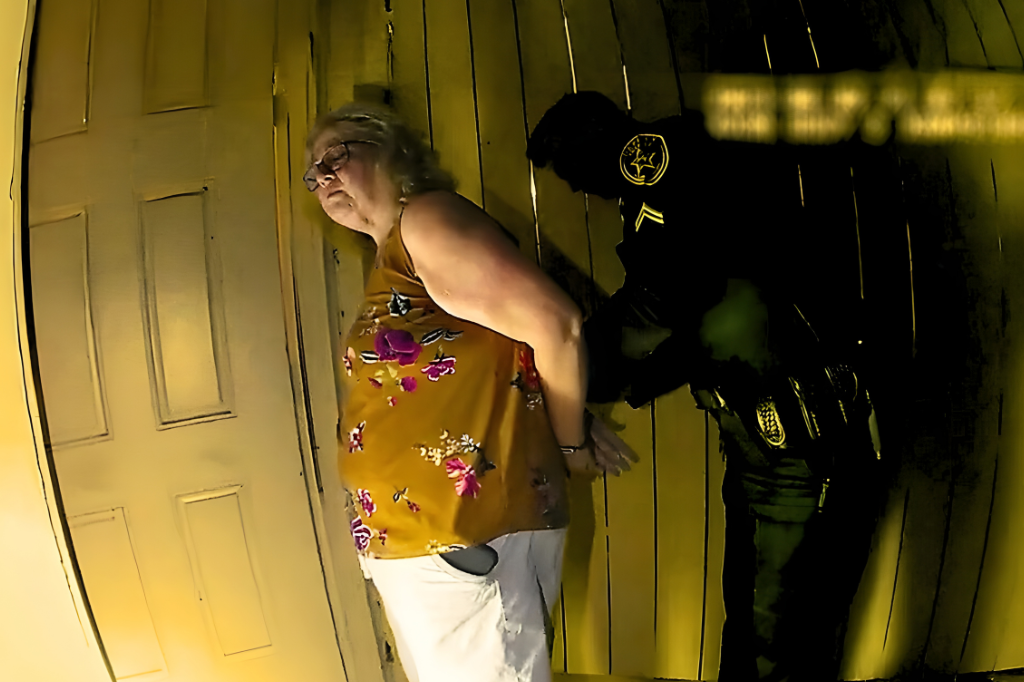
The film recounts the real 2023 killing of Ajike Owens, a 35-year-old Black mother, by Susan Lorincz, a 60-year-old white woman, in Ocala, Florida. The dispute began over children playing near Lorincz’s home — a neighborhood tension that escalated into racial slurs, thrown objects, and finally, gunfire.
Owens, accompanied by her 10-year-old son, knocked on Lorincz’s door to confront her after Lorincz allegedly threw a roller skate at the children. Lorincz shot through the locked door, striking Owens in the chest. She later claimed self-defense under Florida’s controversial “Stand Your Ground” law.
In 2024, Lorincz was convicted of manslaughter and sentenced to 25 years in prison. The case drew national outrage, echoing earlier tragedies like the killing of Trayvon Martin. Gandbhir’s documentary doesn’t sensationalize the case; instead, it examines how laws meant to protect lives can also be used to justify racial violence.
Behind the Camera — A Director with a Personal Connection
What makes The Perfect Neighbor particularly resonant is Gandbhir’s personal link to the story. Her husband, Nikon Kwantu, was a family friend of the Owens family and went to Florida shortly after the shooting to begin filming the community’s response.
Produced by Message Pictures, Park Pictures, and SO’B Productions, the film’s creative team includes respected figures like Soledad O’Brien, Rose Arce, and Sam Pollard. Gandbhir’s goal, as she’s stated, was to honor Owens’s legacy and expose the human cost of systemic indifference.
Her connection to the case lends the film a quiet moral authority — it feels made out of duty, not opportunism.
A Documentary That Speaks Without Speaking
One of the film’s most striking choices is the absence of interviews. There are no experts, no narrators, and no on-camera commentary. Instead, Gandbhir allows the voices of 911 operators, police officers, and Owens’s grieving family to build the emotional landscape.
Owens’s mother, Pamela Dias, appears through archival footage and is a silent but powerful presence throughout. Her decision to release the footage, allowing the world to see her daughter’s final moments, anchors the documentary in both grief and courage.
By the end, the viewer isn’t just informed — they’re unsettled. The film quietly asks: how “perfect” is any neighborhood if justice depends on the color of your skin?
Critical Reception — Awards, Acclaim, and Oscar Buzz
Since its Sundance Film Festival premiere on January 24, 2025, The Perfect Neighbor has been widely praised. Gandbhir won the U.S. Documentary Directing Award, and critics immediately began calling it one of the year’s strongest contenders for Best Documentary Feature.
Early ratings reflect the acclaim — Rotten Tomatoes: 100% (32 critics) and Metacritic: 87/100. The Guardian described it as a “harrowing documentary about a Black woman shot by her white neighbor,” while Glamour highlighted its “unflinching use of bodycam footage.” Even The AV Club praised its “courageous refusal to editorialize,” noting that it lets the audience “sit uncomfortably in the truth.”
It’s rare for a documentary to maintain such balance — emotional without being manipulative, political without being preachy — and that’s exactly why The Perfect Neighbor stands out.
Netflix Release — From Sundance to Global Spotlight
After Sundance, Netflix acquired the film, announcing a limited theatrical release on October 10, 2025, followed by a global streaming debut on October 17, 2025. The trailer, released on September 23, quickly went viral across Netflix’s Tudum platform and YouTube.
Promotional materials emphasize the same thing the documentary itself does — authenticity. The official poster, marked with laurels from SXSW, CPH:DOX, Sheffield DocFest, and Full Frame, makes clear that this film is more than entertainment; it’s an act of documentation and remembrance.
Why “The Perfect Neighbor” Matters
At its core, The Perfect Neighbor isn’t just about one crime. It’s about what happens when fear becomes law, and how justice often arrives too late. The documentary invites audiences — especially those in the U.S., U.K., Canada, and beyond — to reflect on their own definitions of safety, prejudice, and accountability.
By using the power of real footage, Gandbhir confronts the audience with uncomfortable realities about modern America. You don’t walk away with answers; you walk away with questions — the kind that linger.

Final Thoughts — A Must-Watch Documentary That Redefines Truth
To conclude this The Perfect Neighbor Review, one thing is clear: Netflix’s latest true-crime feature isn’t about sensationalism; it’s about bearing witness. It holds up a mirror to society’s fractures and forces us to see the people behind the headlines — the mothers, children, and communities left behind.
With its minimalist style, emotional restraint, and devastating honesty, The Perfect Neighbor deserves every bit of its critical praise. It’s not an easy watch, but it’s a necessary one — a reminder that sometimes, the scariest stories aren’t fiction at all.








![Néro the Assassin: Everything to Know Before Oct. 8 Release [Guide]](https://www.bingeworthyshow.com/wp-content/uploads/2025/10/Nero-the-Assassin-Everything-to-Know-Before-Oct.-8-Release-Guide-150x150.png)